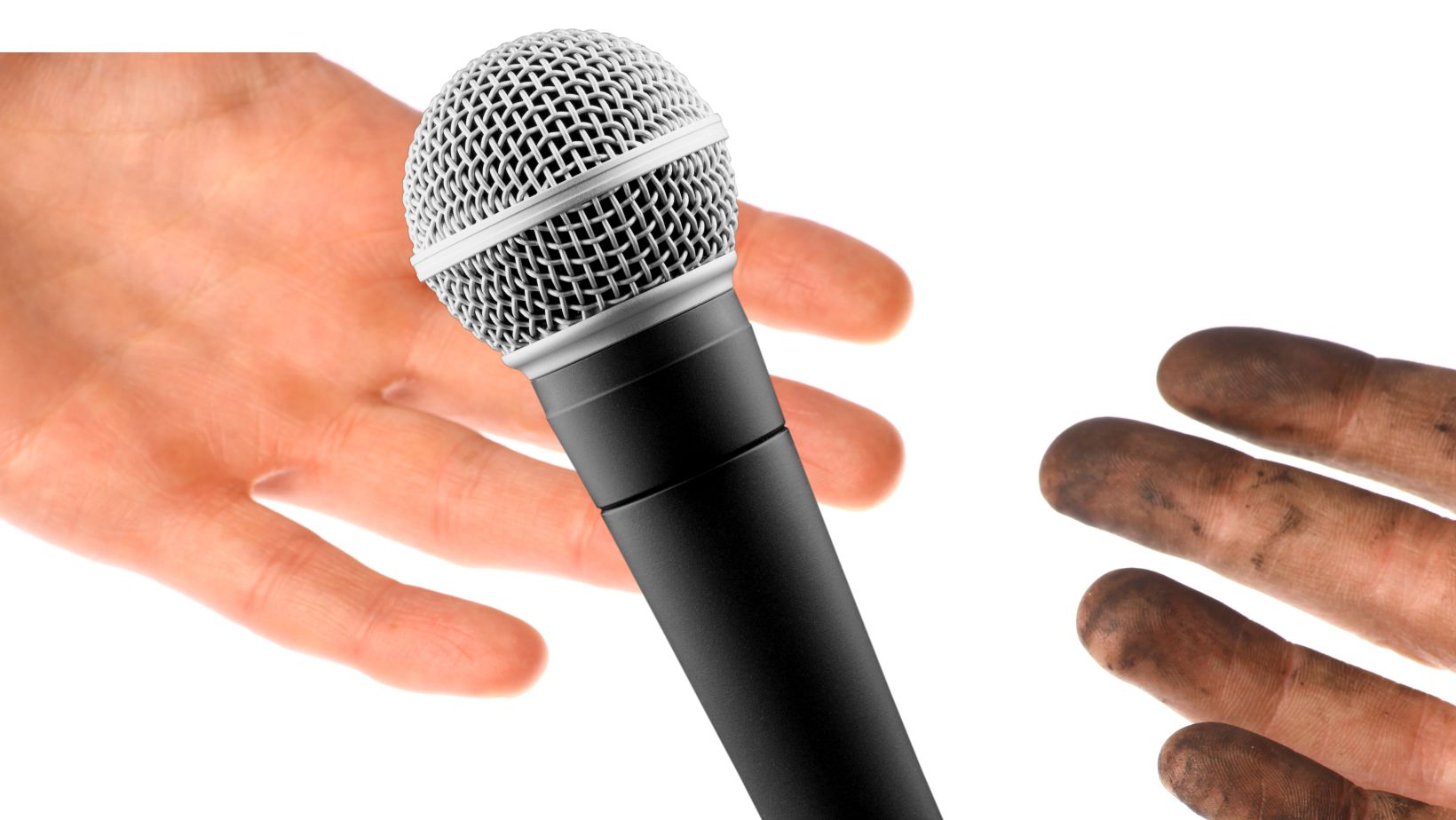
The Comedy Dilemma: Clean vs. Dirty
Why does every corporate client request “clean comedy only” while comedy clubs cheer the raunchiest late-night sets? For comics, this question isn’t just about taste — it’s about technique, opportunity, and audience. So, is clean comedy harder than dirty comedy? Let’s break it down.
What Counts as “Clean” Comedy?
Clean comedy avoids profanity, sexual references, and offensive topics. Think Brian Regan, Jim Gaffigan, or Ellen DeGeneres in her early stand-up years. It’s comedy you could tell in front of your grandma, your boss, or your kids — and still get laughs.
Dirty comedy, by contrast, leans into taboo: sex, politics, bodily functions, or all three at once. Think Richard Pryor, Sarah Silverman, Ali Wong, or Dave Chappelle. It’s raw, risky, and often more shocking.
Within that, there’s a useful distinction:
Club comedy (“dirty”) often means material you’d expect in late-night clubs — edgy, adult, but still layered with storytelling or social commentary.
Blue comedy tends to rely more on shock value, going for extremes of vulgarity or explicitness, sometimes without the depth or craft behind it.
While most audiences call it “dirty comedy,” industry insiders often use the term blue comedy to describe jokes that rely primarily on vulgarity or shock. Club comedy typically combines adult themes with storytelling or social critique. Think of it as a spectrum: all blue comedy is dirty, but not all dirty comedy is blue.
This distinction matters because while both are “dirty,” one uses adult material as part of a larger narrative, while the other banks almost entirely on surprise or offensiveness.
Why Clean Comedy Can Be Harder
Clean comedy is like cooking without spice: you have to rely on pure technique.
Fewer shortcuts — Dirty comedy often gets an easy laugh with shock value. Clean comics don’t have that crutch.
Broader audience filter — A clean comic has to make people from 12 to 82 laugh at the same bit.
Precision wordplay — Without edgy topics, clean comedians often depend on sharper setups, clever misdirections, and physical delivery.
As Jim Gaffigan once joked, “I’m basically the Hot Pockets guy forever now — and I can’t even say the word ‘damn’ on stage.”
🎥 Watch Jim Gaffigan's Beyond the Pale - Hot Pockets
Why Dirty Comedy Can Feel Easier — But Isn’t Always
Dirty comics often have more freedom, but that doesn’t mean it’s easy:
Shock value fades fast — A raunchy punchline that kills once may flop the third time.
Risk of alienation — A joke that kills in a club may bomb at a corporate gig, or worse, get you canceled online.
The “cheap laugh” trap — Leaning too hard on profanity without substance leaves comics forgettable.
Within dirty comedy, blue comedy represents material that leans heavily on shock and vulgarity. While club comedy often combines edginess with storytelling or social critique, blue comedy focuses primarily on extremes of explicit content. It can grab attention quickly, but without depth, it risks being forgotten once the shock wears off.
Richard Pryor, one of the greatest, blended dirty material with depth: race, addiction, love, pain. The lesson? Even within dirty comedy, craft matters.
🎥Watch Richard Pryor "Freebasing" | Richard Pryor: Live on The Sunset Strip
Comedy as a Career Choice: Clean vs. Dirty
The style you choose can shape your opportunities:
Clean comedy opens doors — cruise ships, corporate gigs, TV appearances, and late-night.
Dirty comedy dominates clubs and podcasts — places where authenticity and edge are rewarded.
Streaming platforms embrace both — Netflix has Brian Regan and Ali Wong.
In other words: it’s not just about the laughs. It’s about where you want to perform and who you want laughing.
Clean Comedy in the Age of Streaming
Family-friendly specials are thriving on platforms like Netflix and Amazon, proving clean comedy still sells. These comics often appeal to multi-generational audiences, giving them a longer shelf life.
Dirty Comedy and the Social Media Effect
Social platforms reward edginess — but also punish it. Dirty jokes go viral on TikTok or YouTube Shorts, but they also get flagged or removed more often. Clean comedy, on the other hand, has fewer restrictions and broader reach across platforms.
The Hidden Overlap: Good Comedy Is Good Comedy
The truth? Clean and dirty comedy both require craft. Some comics like Kevin Hart or Robin Williams have successfully crossed both worlds. Ultimately, it’s not about how much you swear — it’s about whether the punchline lands.
FAQ: Clean vs. Dirty Comedy
Is clean comedy harder than dirty comedy?
Yes — many comics argue clean comedy is harder because you can’t rely on shock value. It forces more creativity and wordplay.
Do clean comedians make more money?
Often yes, since they can book corporate gigs, TV, and family-friendly venues where dirty comics are excluded.
Why is dirty comedy popular?
Audiences love raw honesty, and dirty comedy often feels more real, rebellious, or cathartic.
Can a comedian do both?
Absolutely. Many start clean, test dirty material in clubs, or adjust sets depending on the room.
What’s the difference between club and blue comedy?
Club comedy combines adult material with storytelling or social critique. Blue comedy relies mainly on shock value and extreme explicitness.
Final Takeaway
Clean comedy may be “harder” technically, but dirty comedy has its own challenges. Both paths demand craft, honesty, and timing. The best comedians? They know how to thrive in either lane — and sometimes switch gears mid-set.
Your Next Step
Want to test your material in front of a supportive audience? 🎤 Join a clean comedy open mic on Plauzzable — the live online comedy stage where comics and fans connect.
📖 More Resources You May Enjoy
What’s the Difference Between a Premise, Setup, and Punchline?
Shows, Open Mics, & Classes: What’s the Difference & Why It Matters
What Is Prop Comedy? Why It Deserves More Respect
Written by
 Plauzzable